Meteorological weather stations are an integral part of modern weather monitoring systems. They play a vital role in providing accurate weather forecasts, climate research, and early warning of natural disasters. These stations not only provide real-time data to weather forecasters, but also provide important meteorological information to scientists, decision makers, and the public.
A typical meteorological weather station usually includes a variety of meteorological instruments and equipment. The main equipment includes thermometers, hygrometers, barometers, anemometers, wind vanes, and precipitation gauges. Thermometers measure air temperature, hygrometers monitor relative humidity, barometers record atmospheric pressure, and anemometers and wind vanes are used to measure wind speed and direction. Precipitation gauges are used to measure precipitation, which is particularly important for water resource management and agricultural production.
Meteorological weather stations collect meteorological data in real time through these instruments and then transmit the data to central weather services. By analyzing this data, meteorologists can predict weather changes, identify climate trends, and issue warnings before extreme weather events occur. For example, before a typhoon, hurricane or rainstorm arrives, weather stations can provide timely information to help relevant departments take necessary precautions to protect public safety.
With the advancement of science and technology, modern meteorological weather stations have incorporated more high-tech equipment and technologies. For example, the use of satellite remote sensing technology and automated sensors has improved the accuracy and efficiency of data collection. In addition, the application of data analysis and artificial intelligence technology has made weather forecasts more accurate, and climate change research has also received more in-depth support.
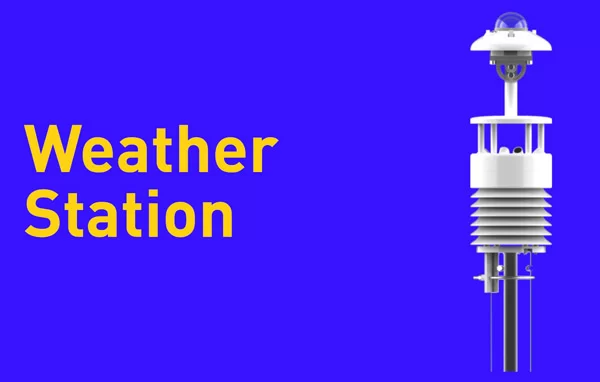
Solarman’s Meteorological Weather Station is a sophisticated solution designed to monitor environmental conditions relevant to solar energy systems. This weather monitoring equipment collects data on crucial parameters such as temperature, humidity, wind speed, wind direction, rainfall, and solar radiation. This information is essential for optimizing the performance of solar installations, ensuring they operate at peak efficiency under varying weather conditions. The data gathered can also assist in predictive maintenance, system diagnostics, and long-term planning within the solar industry.
Integrated with Solarman’s monitoring software, the weather station provides real-time insights accessible through user-friendly interfaces, enabling stakeholders to make informed decisions based on accurate environmental data.
For more information, pls reach to: https://www.solarmanpv.com/products/weather-station/

 EN
EN
 fr
fr  de
de  es
es  it
it  nl
nl  pt
pt  cs
cs  pl
pl 


