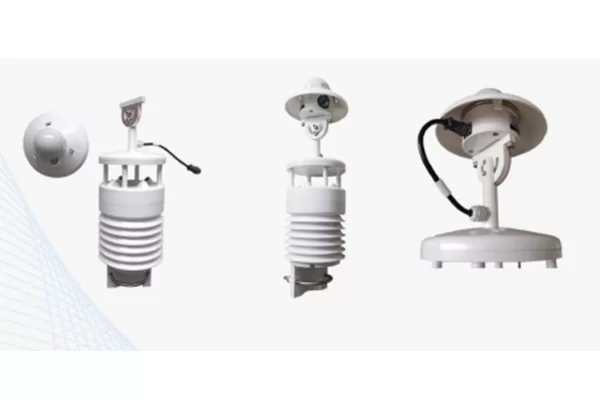
Weather sensors are devices designed to measure various atmospheric parameters, such as temperature, humidity, wind speed, air pressure, rainfall, and more. These sensors collect data that can be used to forecast weather conditions, track climate trends, or support industrial operations like agriculture, construction, and transportation. Weather sensors typically work by converting physical properties of the environment (e.g., air pressure, temperature) into electrical signals, which are then transmitted to monitoring systems for analysis.
Applications of Weather Sensors
The data collected by weather sensors has a wide range of applications across various sectors. Below are some key uses:
1. Weather Forecasting: One of the primary applications of weather sensors is weather prediction. Meteorologists rely on data from these sensors to analyze trends and generate weather forecasts. Sensors placed around the world provide real-time data that helps predict conditions such as storms, heatwaves, and temperature extremes.
2. Agriculture: In agriculture, weather sensors are vital for monitoring soil moisture, rainfall, and temperature. This data enables farmers to make informed decisions about irrigation, planting, and harvesting times. Weather sensors can help optimize crop yields by providing insight into local weather conditions.
3. Climate Research and Monitoring: Long-term data from weather sensors helps scientists track climate trends, such as global warming and seasonal shifts. By collecting continuous data on temperature, humidity, and atmospheric pressure, researchers can study the effects of climate change and propose mitigation strategies.
4. Disaster Management: Weather sensors are crucial for early warning systems related to natural disasters like hurricanes, tornadoes, and floods. By monitoring shifts in temperature, wind speed, and atmospheric pressure, sensors help predict extreme weather events, allowing authorities to take preventive actions and protect populations.
5. Aviation: Weather sensors are indispensable for aviation, as they provide pilots with real-time information on wind speed, temperature, visibility, and cloud cover. Accurate weather data helps ensure the safety of air travel by reducing the risk of hazardous conditions like turbulence, fog, and thunderstorms.
6. Energy and Renewable Energy: Weather sensors, particularly pyranometers, are also used in renewable energy industries. For solar power generation, data on solar radiation is essential to optimize the performance of solar panels. Similarly, wind speed sensors are crucial for wind turbine efficiency and planning.
7. Transportation and Road Safety: Traffic management systems use weather sensors to provide real-time road condition data to motorists. This includes detecting ice on roads, monitoring visibility during fog, and providing up-to-date information about storm warnings. Such systems help reduce accidents and improve road safety.
Weather sensors are indispensable tools in our understanding of the world’s atmospheric conditions. From improving weather forecasting and disaster management to optimizing agricultural practices and supporting renewable energy, the impact of these sensors is far-reaching. As technological advancements continue, weather sensors will play an even greater role in helping us respond to climate change, protect lives, and improve decision-making in various industries. The future of weather monitoring is undoubtedly interconnected with the continued evolution of these intelligent, data-driven systems.

 EN
EN


